Trees That Pose Real Risk to Your Property
Tree Removal in Howard City for dead, storm-damaged, or hazardously positioned trees threatening structures
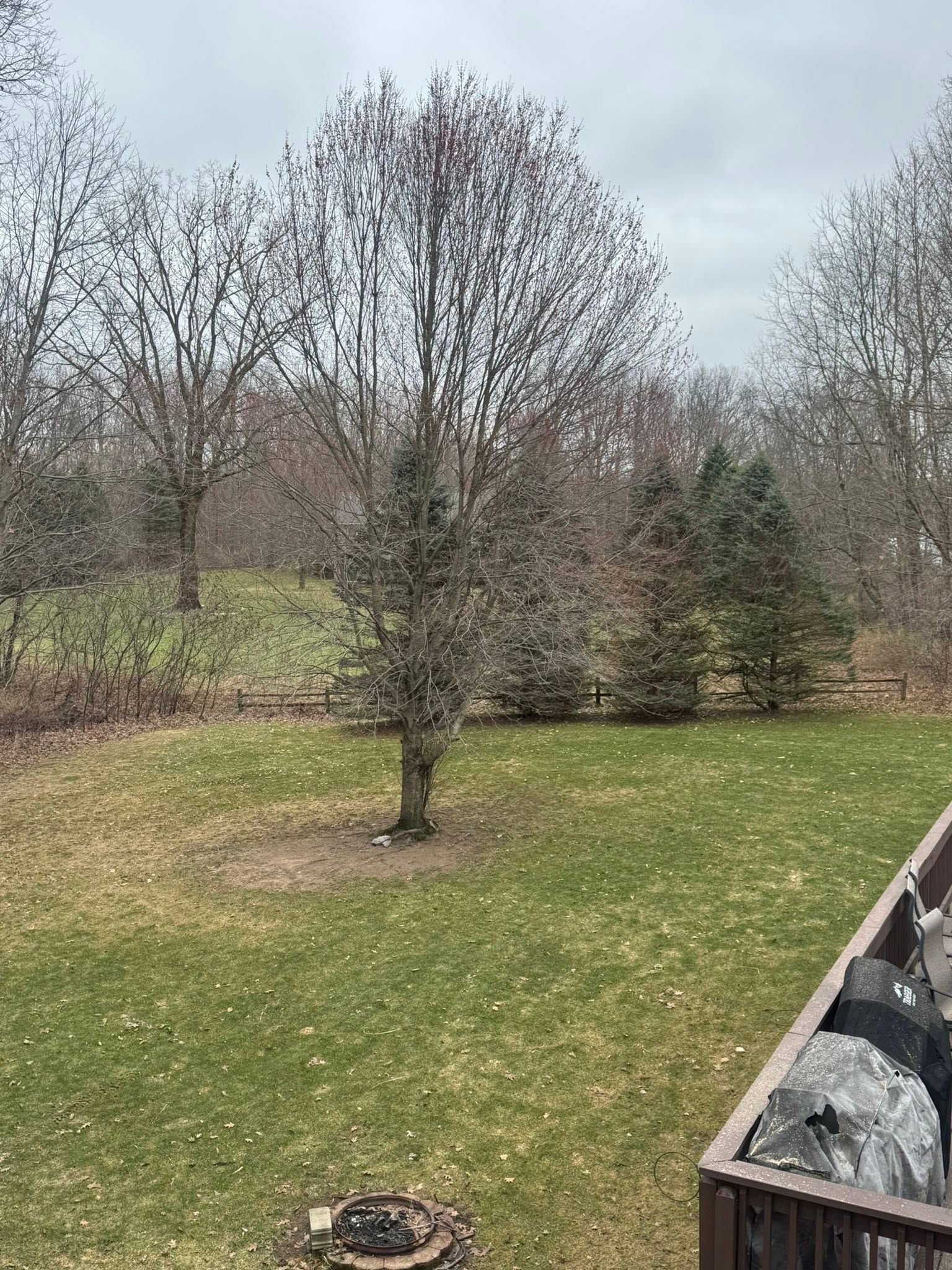
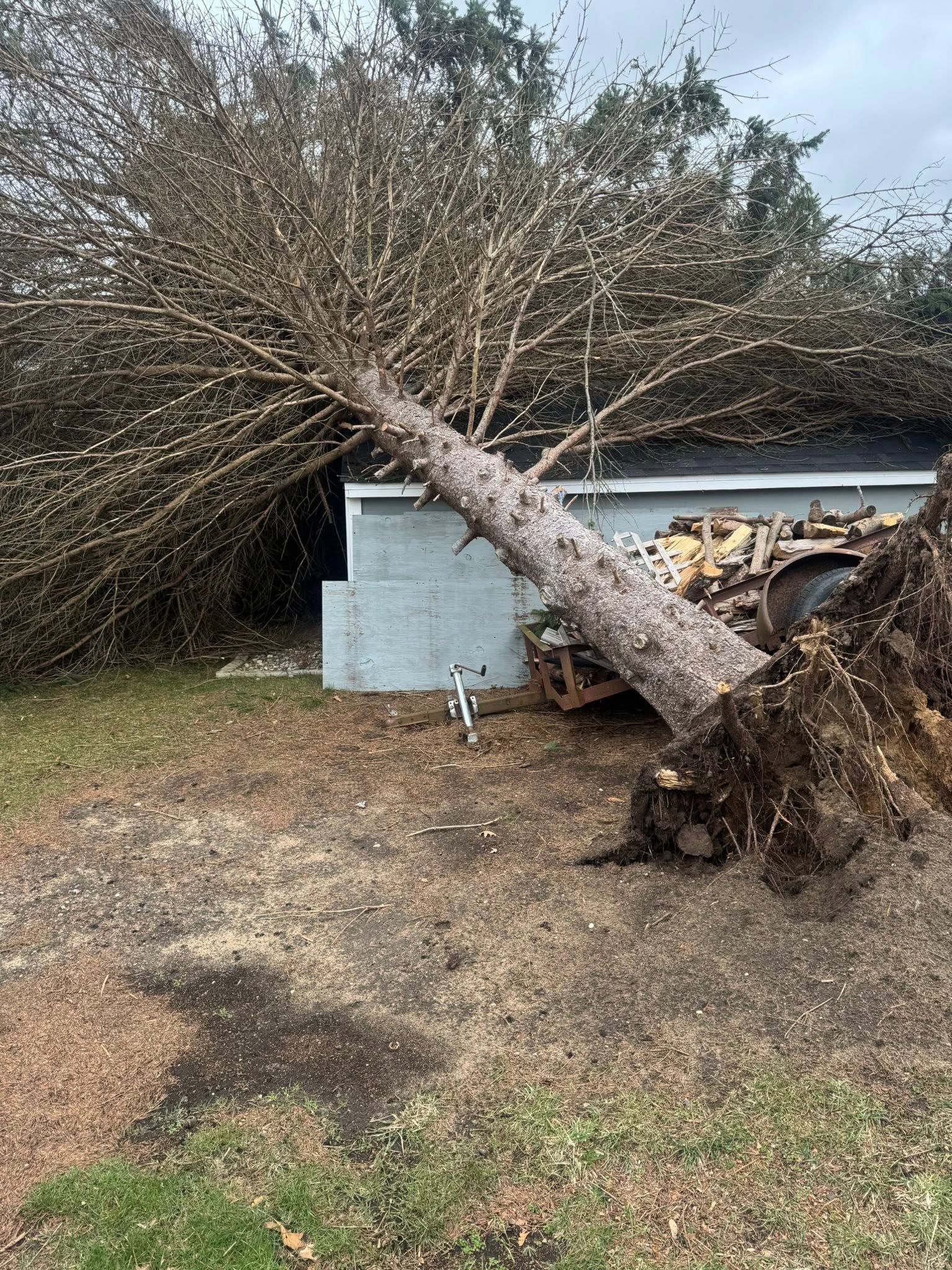
Dead branches over your roof, split trunks leaning toward power lines, or trees with exposed root systems create hazards that worsen with every storm. K&F Solutions handles tree removal across Howard City and surrounding areas using professional rigging equipment and controlled cutting methods that protect homes, fences, and landscaping during the entire process. Michigan's winter ice storms and summer wind events accelerate structural failure in compromised trees, making removal a matter of timing rather than preference.
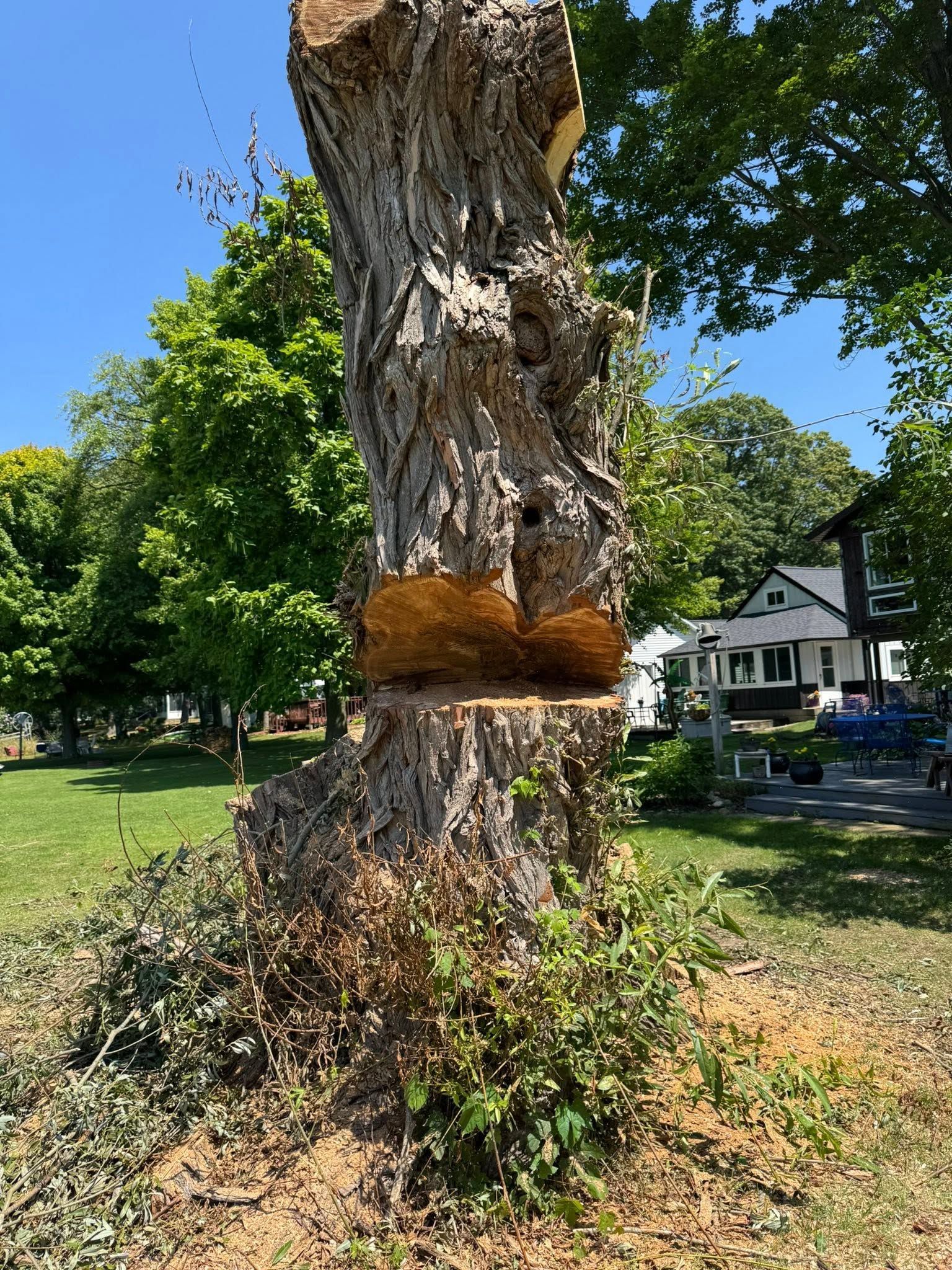
The service involves sectional dismantling for trees near buildings, directional felling for open-area removals, and stump grinding when complete elimination is needed. Each project begins with an assessment of lean direction, branch weight distribution, and proximity to structures, which determines rigging points and cutting sequences. Equipment selection depends on access constraints, with compact machinery used for backyard removals where larger vehicles cannot reach.
Schedule a property evaluation to identify specific trees that require removal and discuss access routes for equipment.
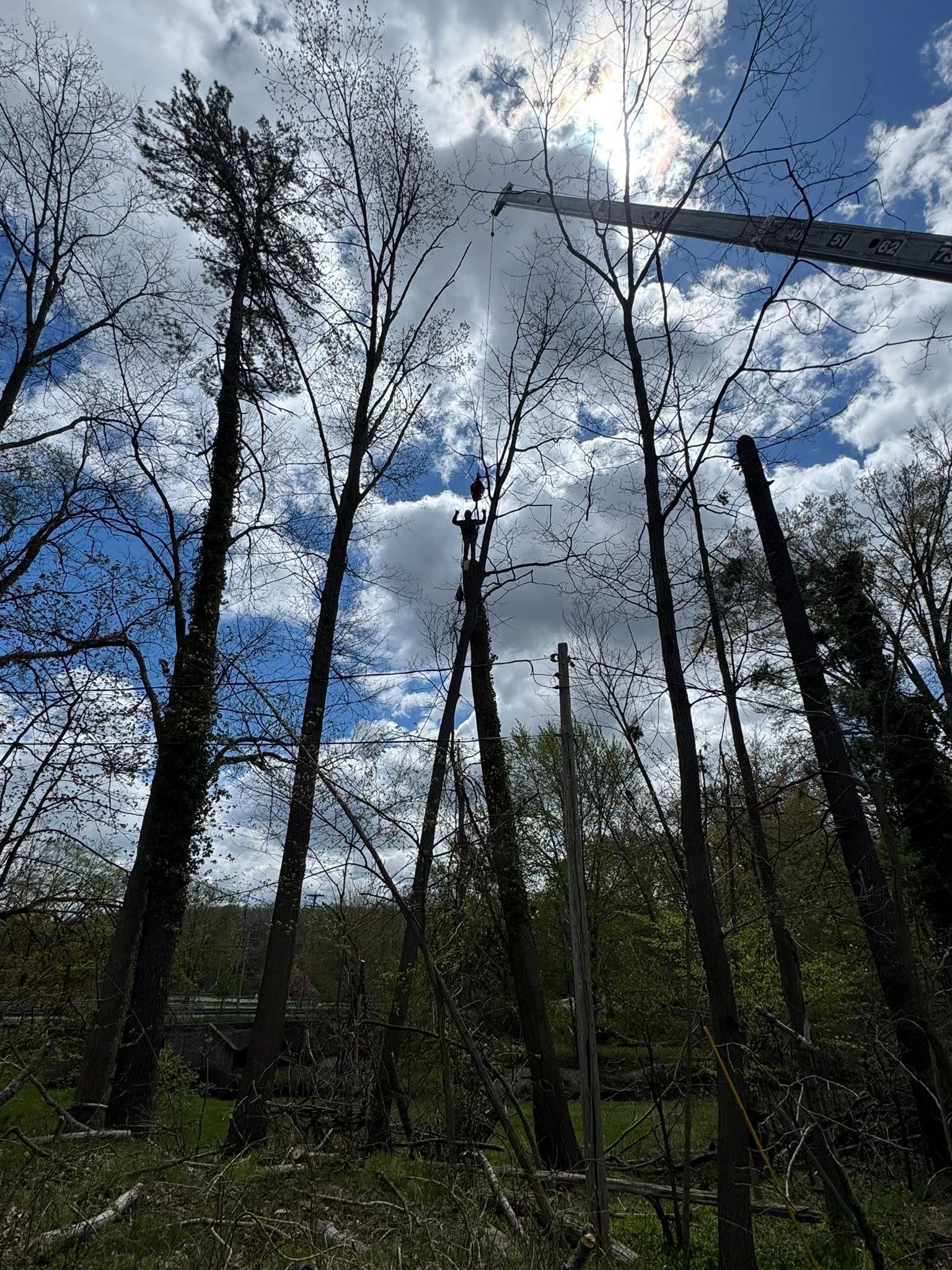
Removal begins with clearing the work zone and establishing drop zones for branches and trunk sections. Climbers use ropes and pulleys to control each piece as it is cut, lowering sections in a sequence that prevents impact damage to nearby structures. For trees in confined spaces, limbs are removed first to reduce weight and width before the trunk is sectioned from the top down.
After the tree is down, you will notice the cleared sight lines, eliminated overhead risk, and restored sunlight to previously shaded areas. K&F Solutions completes each project with thorough debris removal, leaving wood chips and manageable log sections only if requested. The ground where the tree stood is raked clean, and any tire tracks from equipment are smoothed before the crew leaves.
The service includes hauling all branches, trunk sections, and foliage unless you specify otherwise. Stump grinding is available as an add-on, and it removes the remaining wood below ground level to allow for replanting or grading. Projects are scheduled around weather conditions, as wet soil increases the risk of equipment rutting and high winds make climbing unsafe.
Questions Property Owners Ask Before Removing Trees
Tree removal projects in Howard City often involve navigating tight yard access and protecting established landscaping, so understanding the process helps you prepare the site and set realistic expectations for completion.
What signs indicate a tree needs to be removed?
Large dead branches, visible trunk splits, extensive bark peeling, or a pronounced lean toward structures all signal structural compromise that increases failure risk during storms.
How is removal handled when trees are near buildings?
Climbers use rigging systems to control each cut section with ropes, lowering pieces in planned directions away from roofs, siding, and windows to prevent impact damage.
What equipment is used for removals in confined spaces?
Compact skid steers, portable chippers, and hand rigging allow access through gate openings and around existing landscaping where full-size trucks and cranes cannot operate.
How long does a typical tree removal take?
Single-tree projects on open ground are often completed in half a day, while multi-tree removals or complex rigging situations near structures may require a full day or more depending on tree size and site constraints.
What happens to the wood and debris after removal?
All brush, branches, and trunk sections are chipped or hauled off-site unless you request firewood-length logs or mulch chips for your own use.
K&F Solutions provides free tree removal estimates that include an on-site assessment of access routes, rigging requirements, and debris removal logistics. Request an estimate to address hazardous trees before Michigan's next storm season increases the risk of property damage.