Branches Managed Before They Cause Damage
Tree Trimming in Howard City for overgrown canopies, deadwood removal, and branches threatening roofs or utility lines
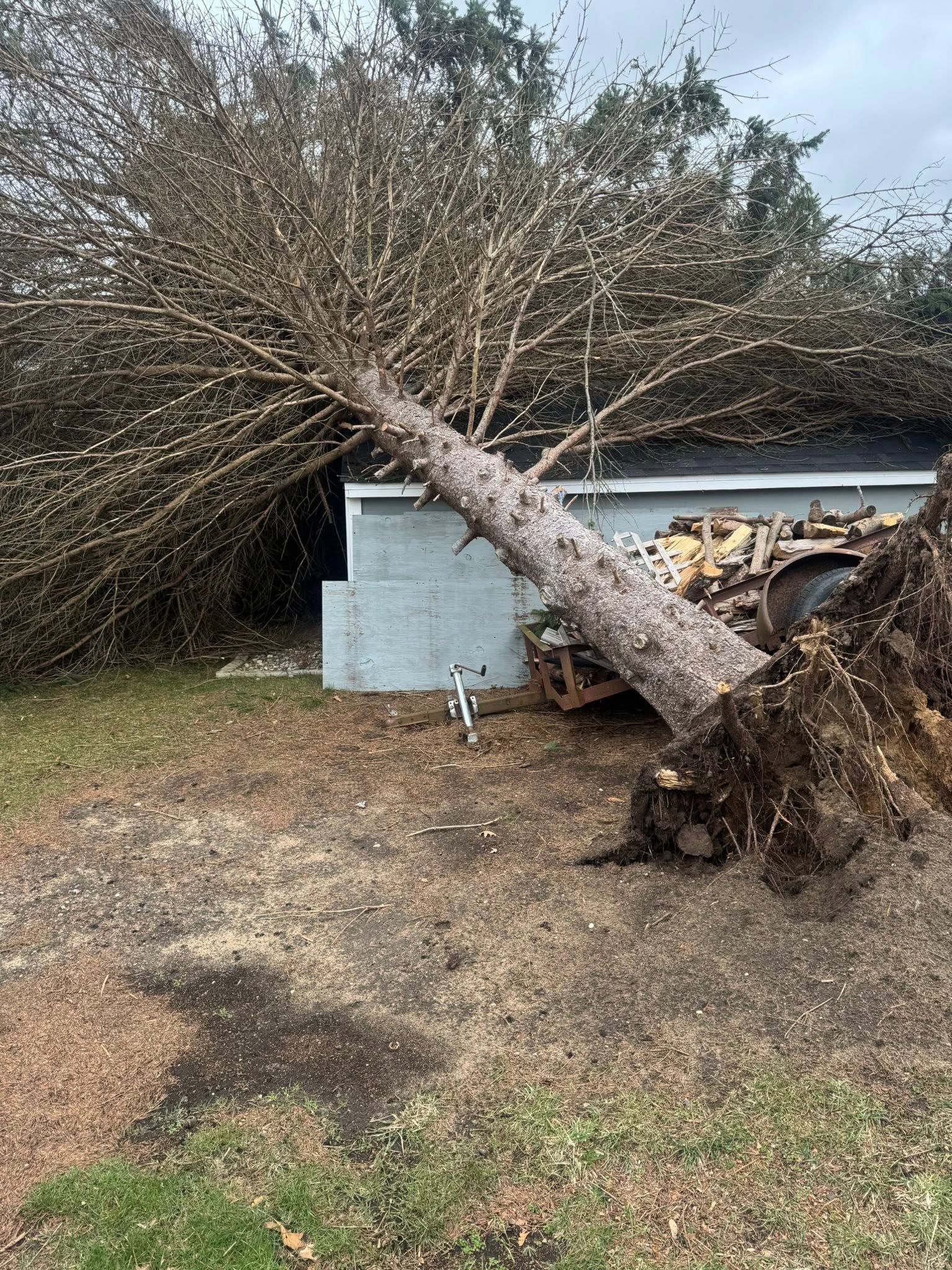
West Michigan's seasonal wind and ice events load tree canopies with stress that healthy branch structure can withstand, but deadwood, crossed limbs, and poorly balanced growth patterns create failure points that snap during storms. K&F Solutions provides tree trimming services that remove hazardous branches, improve structural stability, and maintain clearance around homes, driveways, and overhead utilities. Trimming decisions are based on branch angle, weight distribution, and proximity to structures rather than arbitrary shaping preferences.
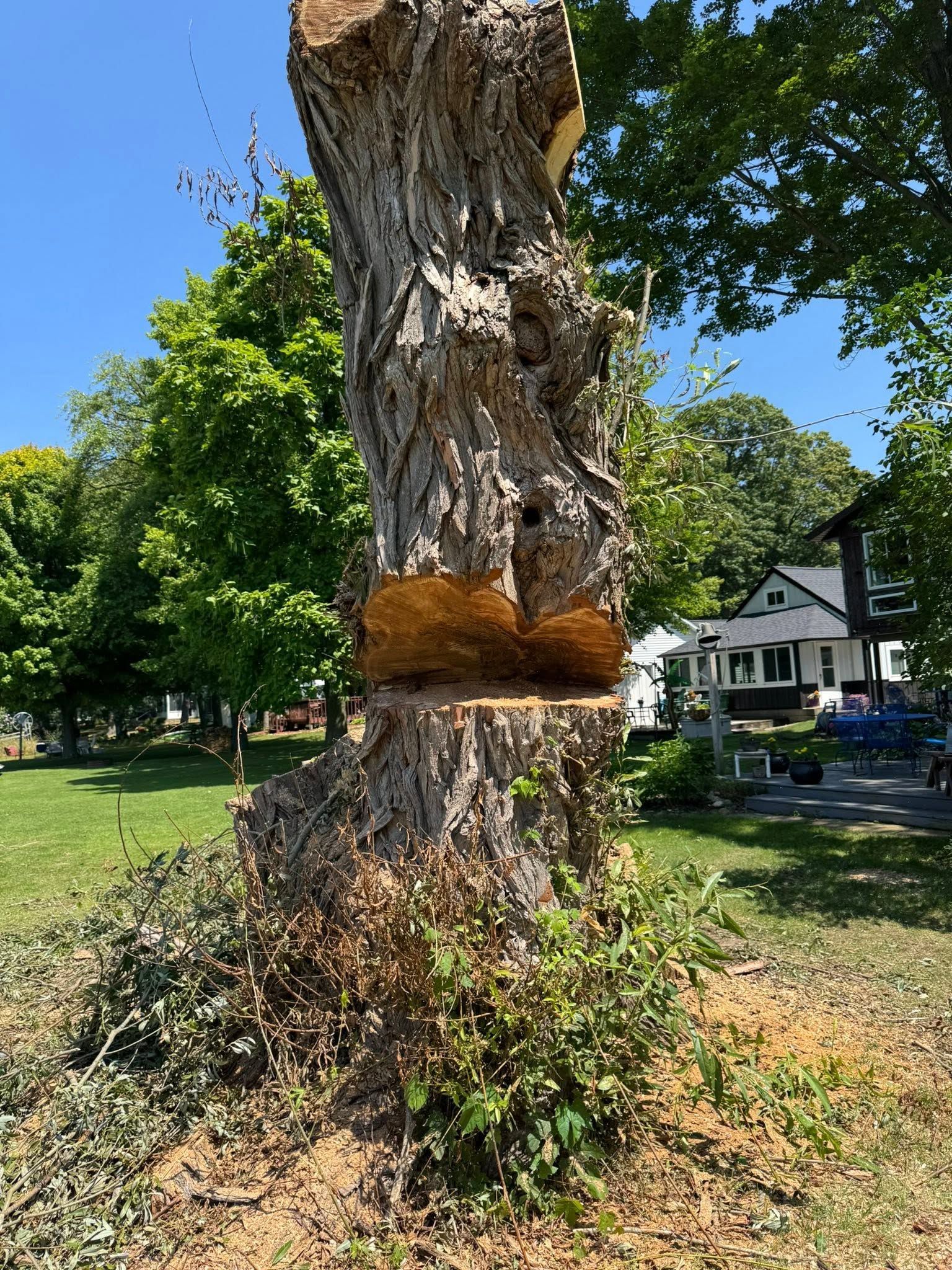
The process involves identifying dead, damaged, or structurally weak branches and removing them at the branch collar to promote proper wound closure. Crossed limbs that rub and create bark damage are separated, and overgrown sections are reduced to restore balance and reduce wind resistance. Cuts are made at specific angles to prevent water accumulation and disease entry, and climbing or bucket truck access is selected based on tree height and site conditions.
Schedule a property evaluation to identify branches that require removal and discuss timing for seasonal maintenance trimming.
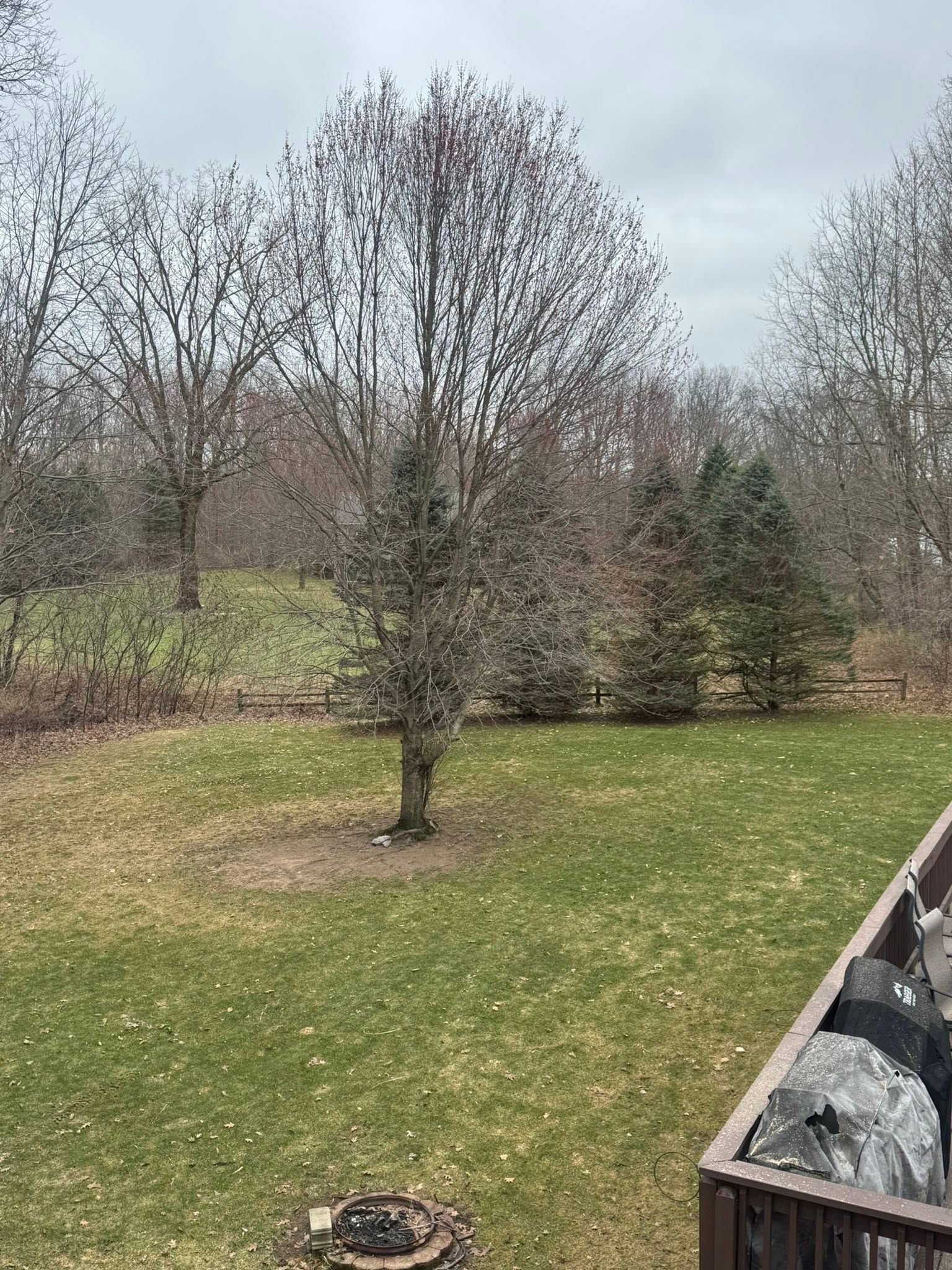
Trimming begins with an assessment of overall canopy structure, identifying limbs that compete for space, cross at contact points, or extend into risk zones near buildings and wires. Dead and damaged wood is removed first to eliminate immediate hazards, followed by selective thinning to improve airflow and reduce weight on horizontal branches. Each cut is positioned just outside the branch collar to preserve the tree's natural defense zone and avoid flush cuts that delay healing.
After trimming, you will notice increased clearance around your roof and driveway, improved sight lines through the canopy, and reduced deadwood that no longer threatens to fall during storms. Remaining branches grow with better spacing and structural support, and the tree directs energy toward healthy growth rather than maintaining damaged limbs. Seasonal tree care in Howard City is often scheduled in late winter before spring growth begins, allowing wounds to close quickly once sap flow resumes.
The service focuses on safety and structural improvement rather than ornamental shaping, though appearance naturally improves when poorly positioned branches are removed. Over-trimming is avoided, as excessive canopy reduction stresses the tree and triggers rapid, weak regrowth. Trimming frequency depends on tree species and growth rate, with fast-growing varieties requiring attention every two to three years and slower species managed on longer intervals.
What Property Owners Usually Ask
Tree trimming across Howard City addresses both immediate safety concerns and long-term maintenance needs, so understanding what the service involves helps property owners set priorities and plan for seasonal care.
What branches should be removed during trimming?
Dead branches, limbs with visible cracks or splits, crossed branches that rub together, and any growth extending over roofs or into utility lines are priority removals during each trimming project.
How does trimming improve tree health?
Removing deadwood and poorly positioned branches allows the tree to redirect energy toward healthy growth, improves airflow through the canopy to reduce disease risk, and eliminates weak attachment points that fail during storms.
When is the best time to trim trees in Howard City?
Late winter through early spring is optimal for most species, as dormant trees tolerate trimming well and wounds close quickly once growth resumes, though hazard removals are completed year-round regardless of season.
What equipment is used for trimming tall trees?
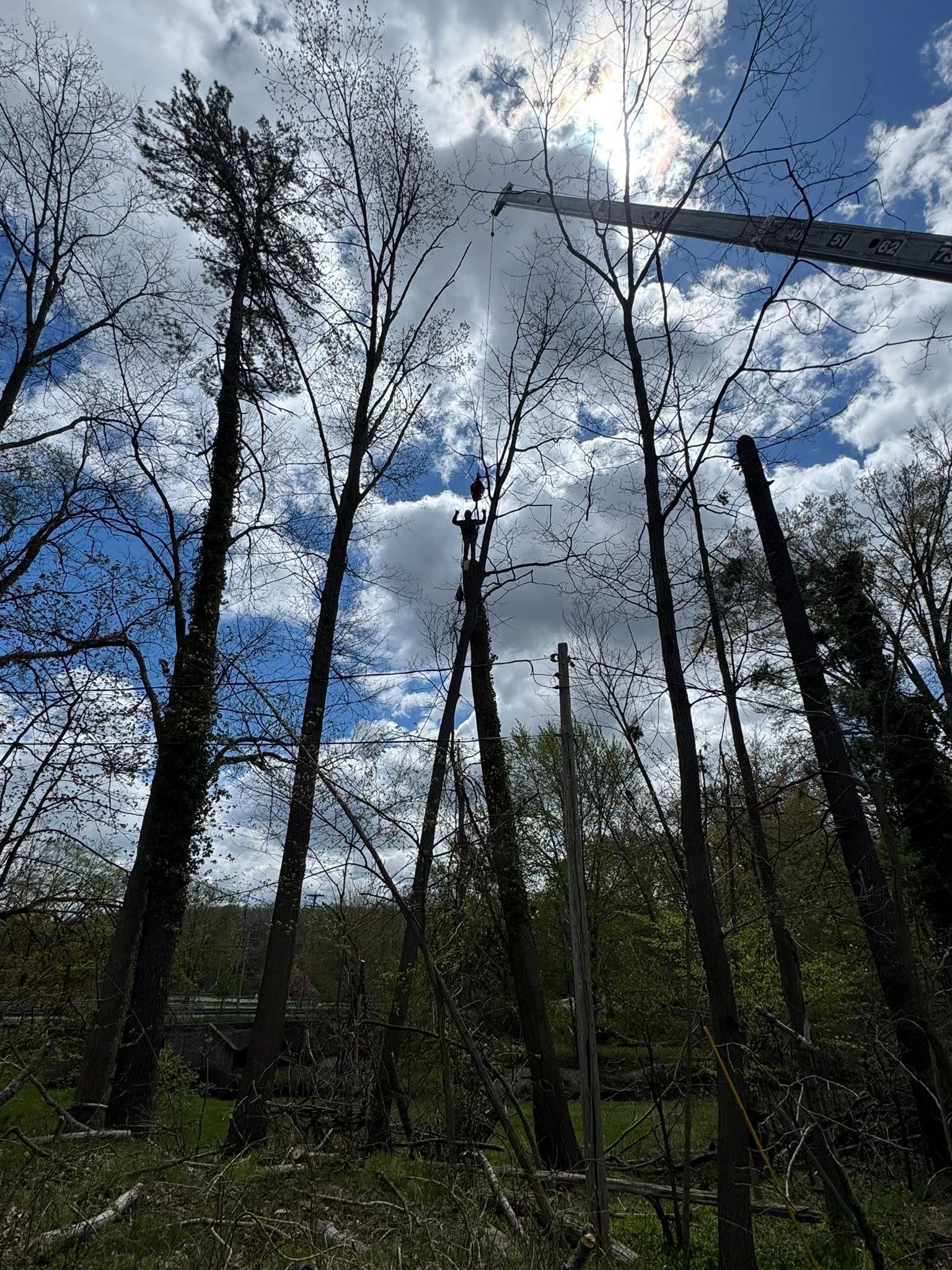
Bucket trucks provide stable platforms for reaching upper canopy branches, while rope-and-saddle climbing is used when site access or tree position makes truck placement impractical.
How often should trees be trimmed?
Fast-growing species like silver maple and willow require trimming every two to three years, while slower hardwoods like oak and hickory are maintained on four- to five-year intervals depending on growth patterns and site exposure.
K&F Solutions provides free tree trimming estimates that include canopy assessment, hazard identification, and seasonal scheduling recommendations. Request an estimate to address overgrown branches and maintain clearance around your property.